


Glass melting and high-temperature industrial smelting processes rely heavily on stable, corrosion-resistant metal electrodes that can withstand extreme continuous temperatures without deformation, oxidation or premature failure. Many production facilities only focus on output capacity and raw material costs, ignoring the material quality of core electrodes, which silently causes frequent furnace shutdowns, uneven molten liquid quality and soaring long-term maintenance expenses. Choosing reliable high-quality molybdenum electrodes directly determines the stability, service life and comprehensive profitability of the entire high-temperature melting system.
Most low-grade molybdenum electrodes on the market contain excessive impurities, loose internal structure and inconsistent density. Under long-term high-temperature working conditions, they quickly develop cracks, ablation pits and brittle fracture phenomena. These hidden faults cannot be detected in daily inspections, but they gradually reduce current conductivity, damage furnace temperature balance and lead to unstable glass finished product clarity and uniformity. Professional manufacturers strictly control smelting purification and rolling forming processes to eliminate these inherent quality defects from the source.
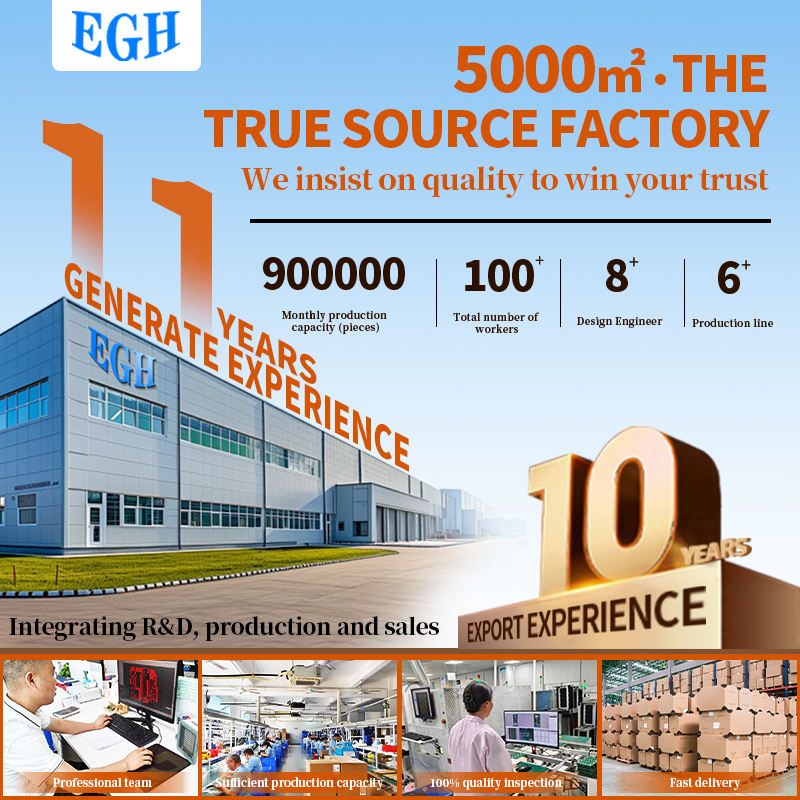
Professional refractory metal processing enterprises adopt integrated vacuum sintering precision technology to produce molybdenum electrodes with ultra-high density, uniform grain arrangement and ultra-low impurity content. Compared with ordinary cast molybdenum parts, refined molybdenum electrodes have far better high-temperature creep resistance, thermal shock resistance and electrical conductivity. They maintain stable dimensional accuracy even when working continuously above 1500℃, avoiding frequent replacement and production interruption losses that trouble countless smelting enterprises.
A large number of users misunderstand that all molybdenum electrodes have identical high-temperature performance. In fact, differences in purity, processing technology and post-treatment directly change the service cycle by 2–5 times. Cheap inferior electrodes seem cost-effective in short-term procurement, but frequent breakage, furnace pollution and scrap finished products bring far higher indirect losses. High-purity dense molybdenum electrodes effectively reduce contact resistance, lower energy consumption per ton of finished products and greatly extend the overall service life of glass melting furnaces.
Deep hidden problems in electrode application often appear in long-period continuous operation. Oxidation peeling, interface corrosion and current deviation caused by substandard materials will contaminate molten glass, reduce product transmittance and cause batch quality defects. Standardized high-purity molybdenum electrodes resist erosion from alkaline molten glass, high-temperature gas and corrosive dust, protecting both the melting medium and furnace lining while maintaining stable process parameters for 24-hour uninterrupted production.
Performance Comparison Of Different Grade Molybdenum Electrodes
| Performance Index | Ordinary Impure Molybdenum Electrode | High-Purity Precision Molybdenum Electrode | Applicable Working Temperature |
|---|---|---|---|
| Molybdenum Purity | ≤99.7% | ≥99.95% | Ordinary: ≤1300℃ / High-purity: ≤1600℃ |
| High-Temperature Creep Resistance | Poor, Easy Deformation | Excellent, Stable Shape | Severe deformation after 1–3 months / Stable for 12+ months |
| Electrical Conductivity | Unstable, High Energy Loss | Uniform & Efficient, Low Power Consumption | High extra electricity cost / Obvious energy-saving effect |
| Corrosion Resistance | Quick Ablation & Peeling | Strong Anti-Molten Medium Erosion | Frequent replacement required / Long maintenance interval |
| Structural Density | Loose & Porous | High Compactness Without Pores | Easy cracking & leakage current / Safe stable operation |
In actual glass melting production, electrode matching directly affects furnace thermal efficiency. Improper electrode diameter, insufficient density or poor weldability will cause arc discharge, local overheating and furnace lining burning loss. Professionally customized molybdenum electrodes support diversified size specifications, accurate dimensional tolerance control and excellent welding compatibility, perfectly matching various electric melting furnaces, borosilicate glass furnaces and special optical glass production lines.
Long-term high-temperature working environments accelerate aging of ordinary metal electrodes. Sulfide, oxide and impurity elements inside inferior products react violently with molten glass, forming harmful precipitates that damage product appearance and optical performance. Ultra-pure molybdenum electrodes minimize chemical reaction at high temperatures, keep molten glass clean and meet strict quality standards for high-transparency glass, optical glass and special industrial glass products.
Many enterprises neglect post-use maintenance rules of molybdenum electrodes. Irregular temperature rise and fall, improper cooling methods and messy furnace environment will shorten qualified electrode service life by half. Standard operation combined with high-quality molybdenum electrodes can maximize comprehensive benefits, reduce overall production cost per unit product and enhance market competitiveness of finished glass products.
Overall, selecting qualified high-purity molybdenum electrodes is not an optional accessory choice, but a core infrastructure guarantee for stable high-temperature smelting. By solving hidden quality risks, frequent failure problems and high energy consumption pain points, refined molybdenum electrodes become indispensable key supporting parts in modern precision glass melting and high-temperature refractory metal industries. Stable material performance, long service life and low comprehensive loss make it the first-choice matching component for large-scale continuous and high-standard production.